Come to us, let's explore the possibilities together! Gyöngyöspata welcomes you as a guest, property owner, and investor!
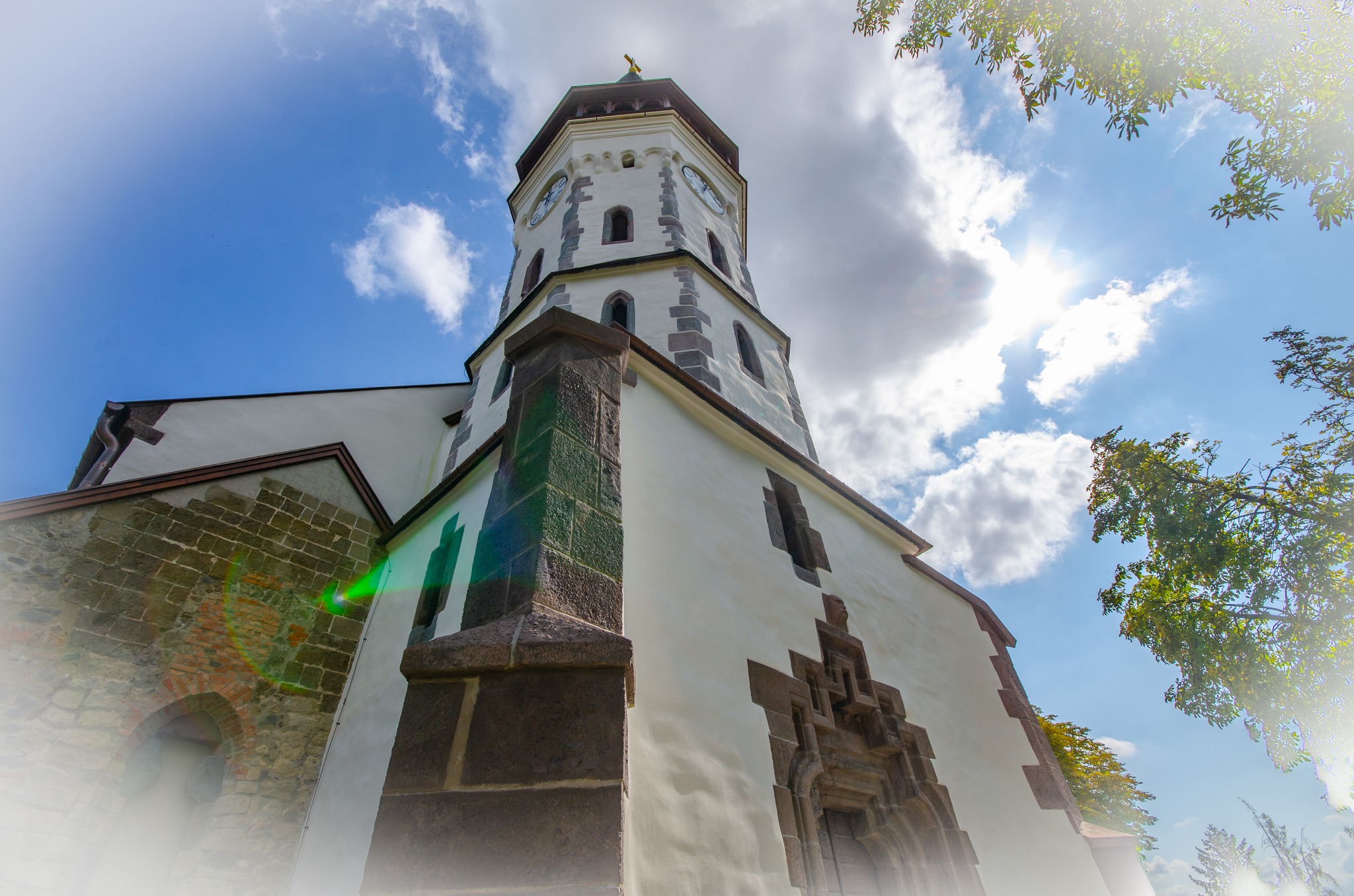
Gyöngyöspata is one of the oldest settlements in Heves County / Northern Hungary, with a wonderful, seven-row cellar village and the Church of the Blessed Virgin Mary with its unique features, including one of the most beautiful altars in Europe, active viniculture, excellent hiking opportunities, surrounded by green mountains.
As a foreign citizen, investing in the Hungarian real estate market is an attractive business opportunity. Citizens of the European Union can easily buy real estate in Hungary. Anyone who buys a property in Gyöngyöspata can live in a modern, quiet and peaceful environment, while at the same time leisure opportunities and main transport routes are not far from the town.
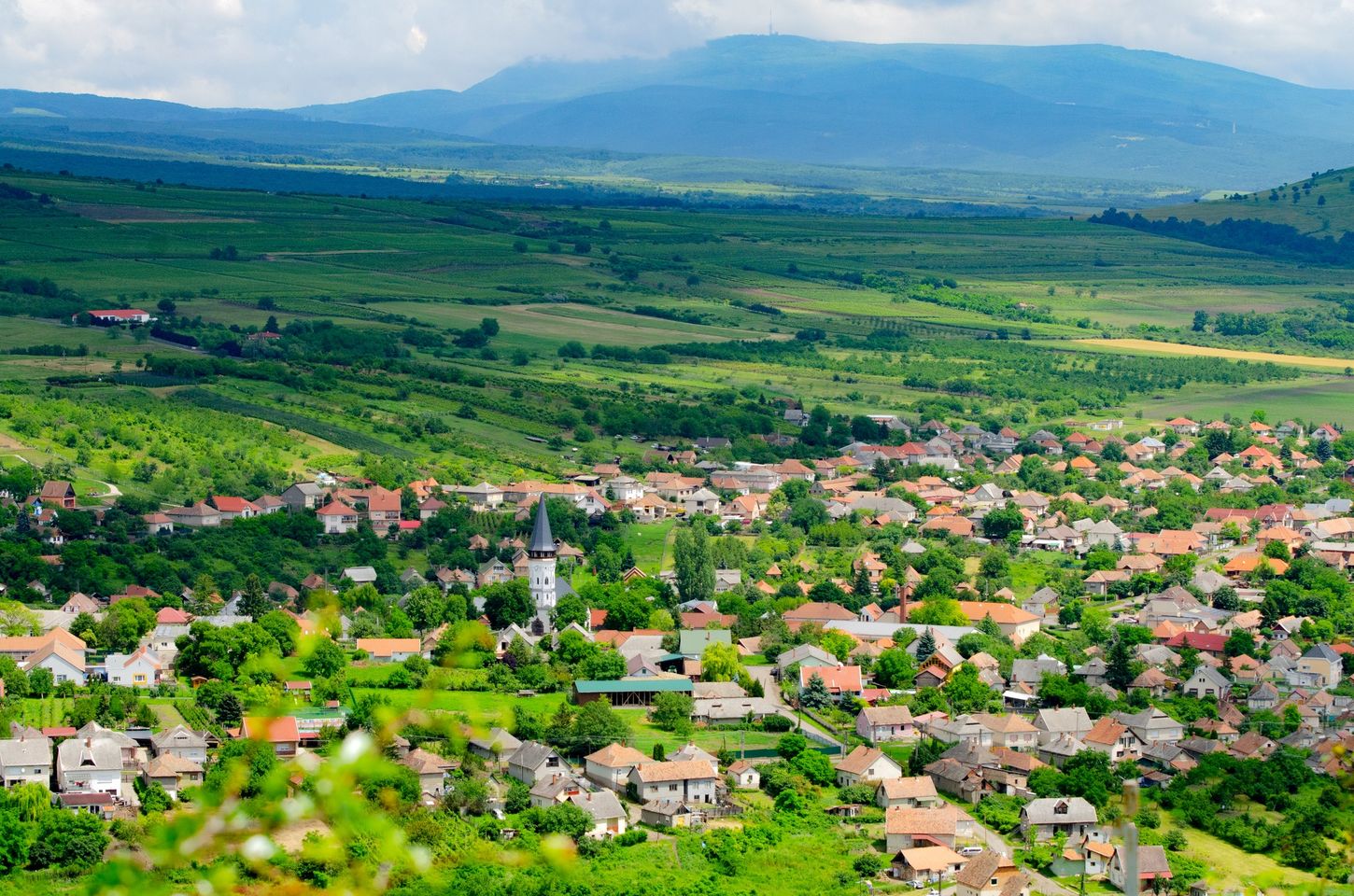
Gyöngyöspata is only 15 minutes from the M3 highway, 1 hour from Budapest and Budapest Airport, 2 hours from Lake Balaton, half an hour from the highest point in Hungary, Kékestető and Mátra, Eger is an hour away, and Lake Tisza also. The thermal baths in the Alföld/Lowland area are also easily accessible from here: Demjén, Zsóryfürdő are 50 minutes away, Cserkeszőlő, Hajdúszoboszló are both 2 hours from the town. The closest train station is in the neighboring town, Gyöngyös, connected to the Budapest-Miskolc main line.
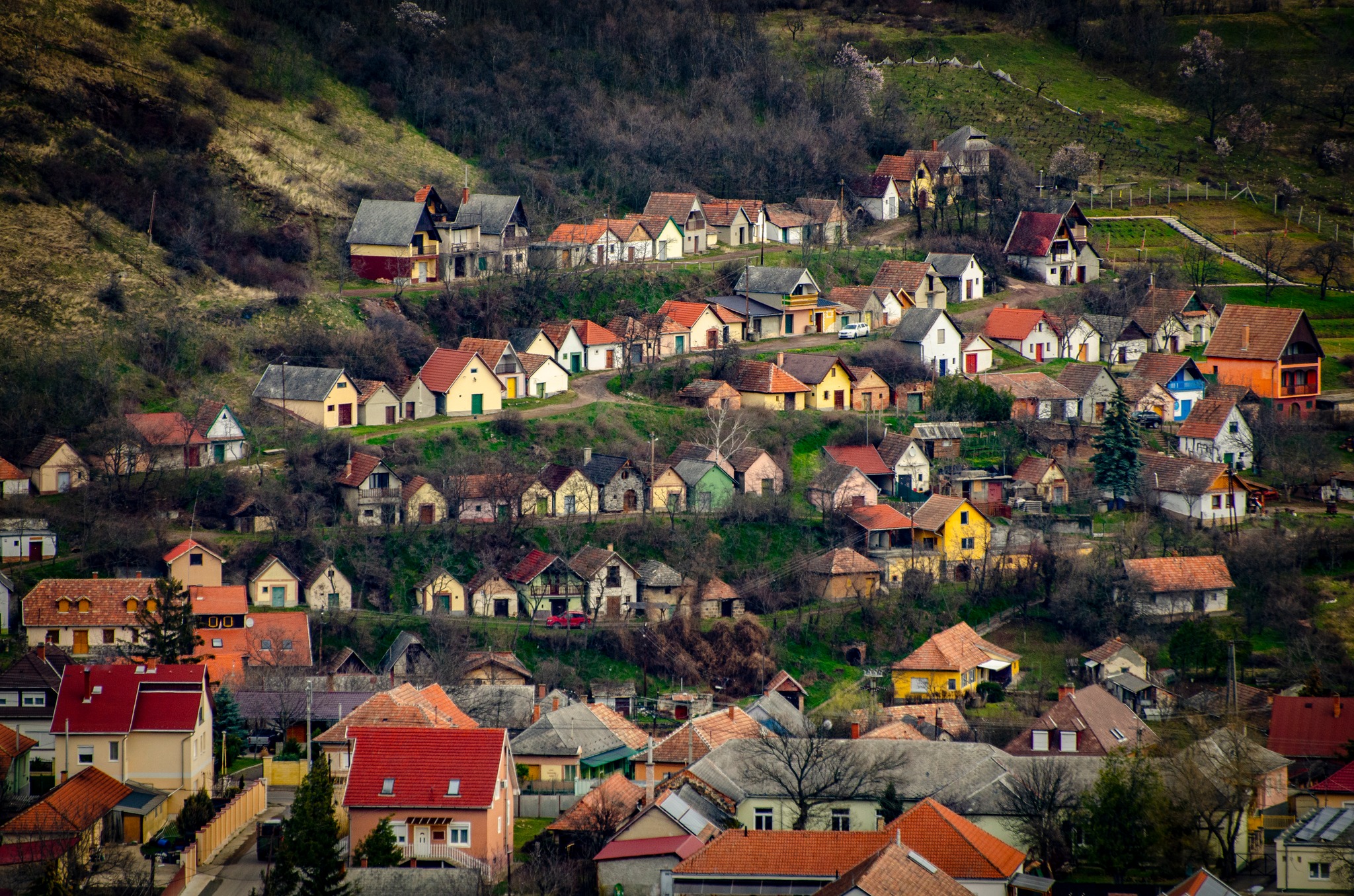
In addition to favourable prices, the properties for sale in the settlement have a relatively large garden, opportunities in agriculture / viniculture abound. The people living here are friendly, open, accepting and helpful. The centerpiece of the settlement, the church, is currently being renovated, proving that the people living here practice their religion regularly. Passing on local traditions and local gastronomy always play an important role in the town's festive events.

A short movie in english about our city: https://www.youtube.com/watch?v=pT9E5at0O8w
Come to us, let's explore the possibilities together! Gyöngyöspata welcomes you as a guest, property owner, and investor!
